

2026-09-23
Insights from the Second Dialogue Between Fintechs and Supervisors in Paris
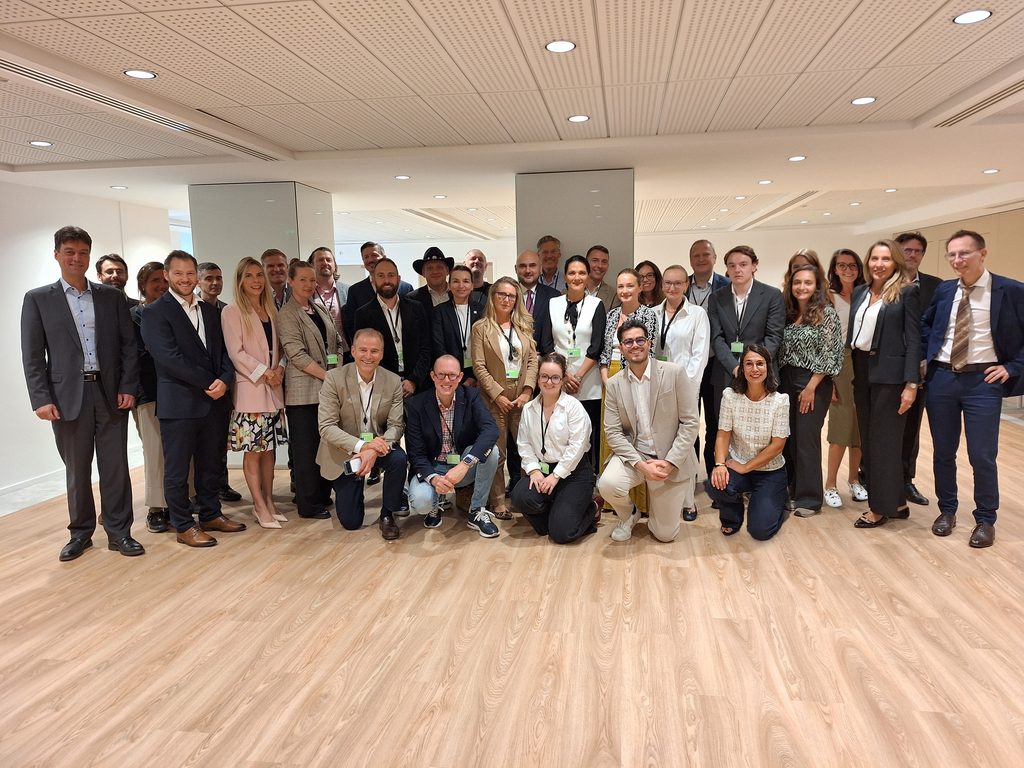
On 23 September 2026, around 40 participants, including some 20 representatives of supervisory authorities, met at the ACPR in Paris for the second edition of Bridging Borders. Organised jointly by EDFA and France FinTech, the session worked through the cases that still keep the European passport from working as intended.
The European single market for financial services has existed since 1993. The passport is one of its foundations: a firm authorised in one Member State should be able to offer its services across the EU. For fintechs putting that principle to work, the reality is often slower, costlier and less predictable.
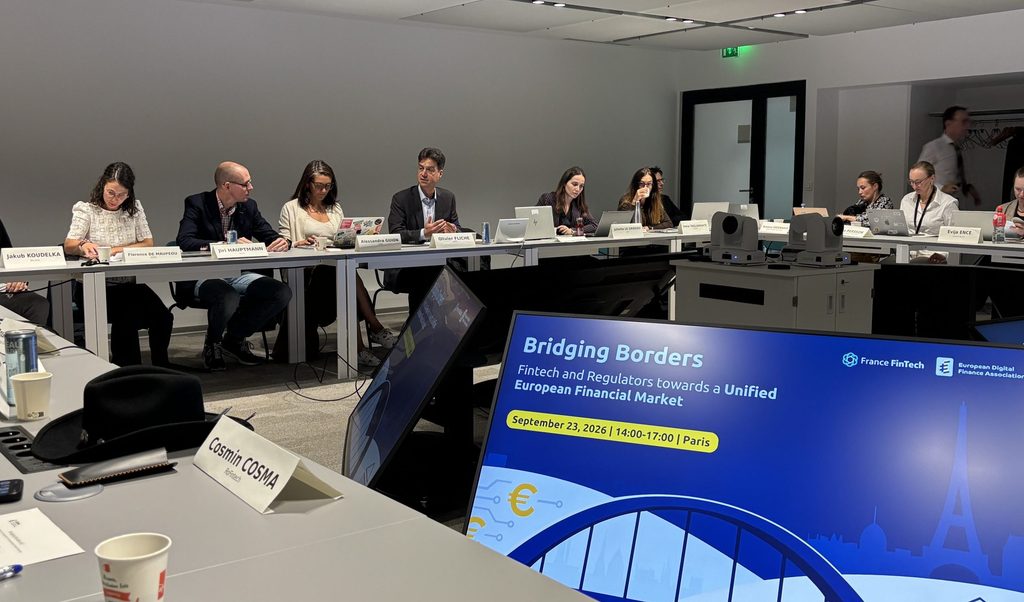
EDFA launched Bridging Borders to address that gap directly, bringing fintechs, national associations and supervisory authorities to the same table to work through concrete cross-border cases. The first session took place in Paris in November 2025, organised by EDFA and France FinTech. Following the progress made there, and at the request of several supervisors, EDFA members decided to continue the programme.
Discussions were built on cases drawn from fintechs’ experience in several Member States. They gave a clearer picture of where EU rules and their national application diverge, and where improvements are within reach.
The passport: principle and practice
In practice, several fintechs still meet local administrative requirements whose basis in EU law is not always clear, and which delay or complicate their expansion.
Finqware mapped the complaint channels available to account information service providers across the 30 EEA jurisdictions. Only 10 offer a channel a cross border provider can genuinely use, and only four publish a response timeframe.
Memo Bank documented the difficulty of accessing national beneficial ownership registers. In Luxembourg, Belgium, Ireland, the Netherlands and Spain, access still depends on a local presence or a national electronic identity, even for institutions legally operating under the freedom to provide services.
Mifundo showed how fragmented access to credit data remains. Many European consumers have a financial history in more than one Member State. Yet the conditions for accessing the data needed to assess their creditworthiness vary widely from one national register to the next.
Lemonway pointed to two sources of fragmentation for payment service providers: diverging national definitions of the status of PSP agents, and AML/CFT obligations that differ in procedures, renewal cycles and reporting.
PSD2 and PSD3 API quality: beyond availability
The second session turned to the performance of bank interfaces. An API that exists but delivers unstable or confusing user journeys does little for open banking, and API quality has a direct effect on the services end users receive.
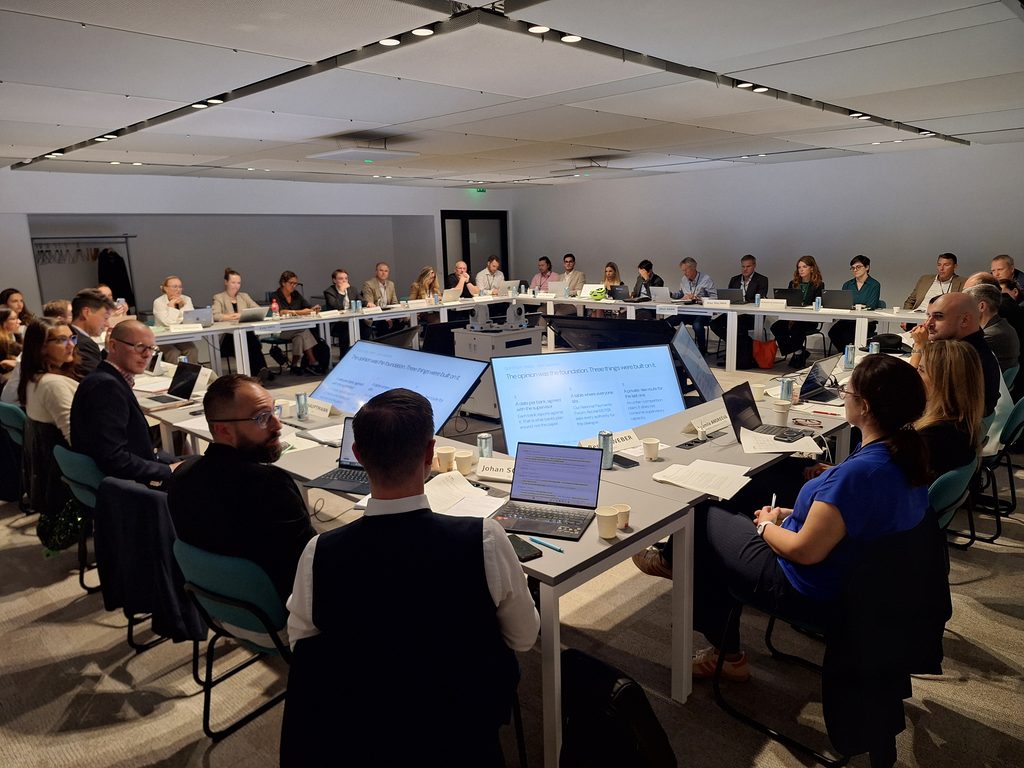
Mo.one, a Czech payment institution, presented its work with the Czech National Bank following the central bank’s November 2025 interpretative opinion on minimum user experience requirements for payment initiation. After ten months of structured monitoring, ten of the eleven banks concerned had improved their user journeys. The remaining case is a branch where the question of the competent authority is still open.
The National Bank of Romania presented a tool it has built to continuously monitor the availability, error rates and response times of APIs provided by Romanian payment service providers. The approach shows that API quality can be measured objectively, and points towards more operational supervision that spots malfunctions early and supports a more consistent application of EU rules.
Continuing the dialogue
The second edition gave a detailed, technical view of the frictions fintechs face when scaling across Europe. These frictions translate into longer timelines, higher costs and, in some cases, an inability to operate at European scale. Several areas for further work emerged and will be taken forward with the authorities present.
EDFA and France FinTech will continue this work over the coming months. The aim is to make Bridging Borders a recurring forum for dialogue between the European fintech ecosystem and its supervisors. EDFA thanks the ACPR for hosting, and all presenters and participants for their contributions.